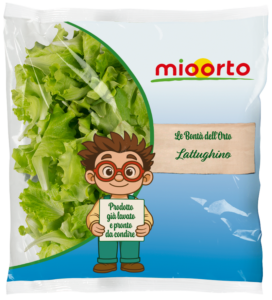
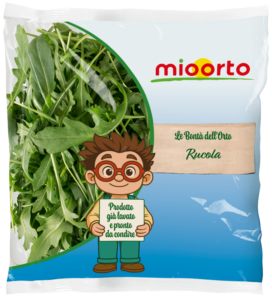
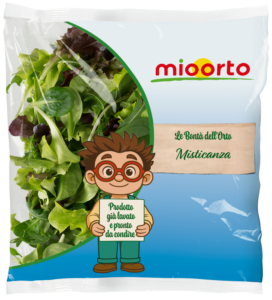
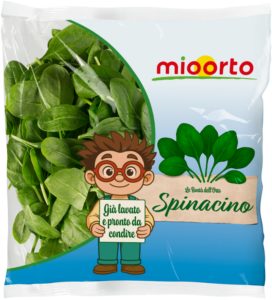
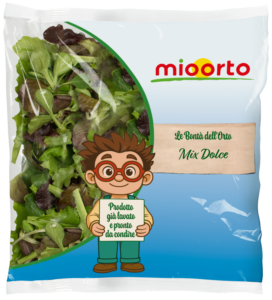
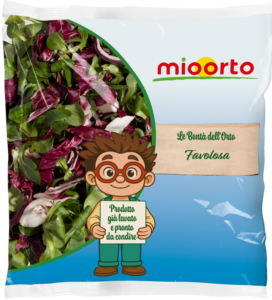
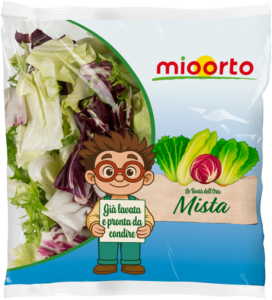
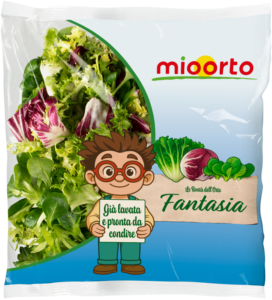
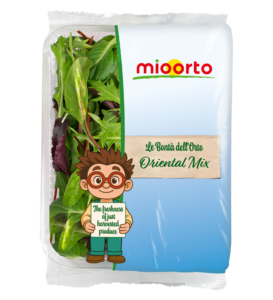
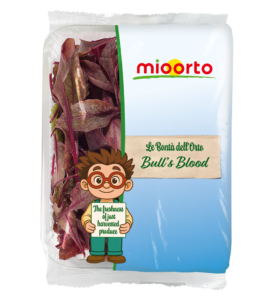
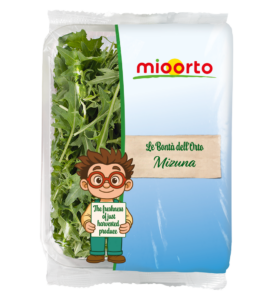
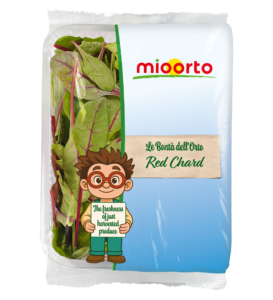
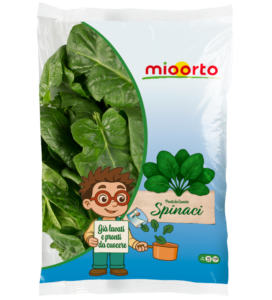
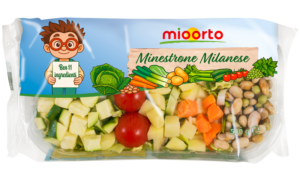
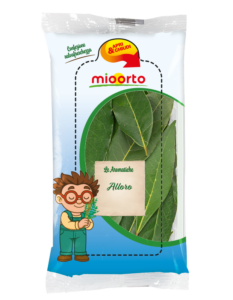
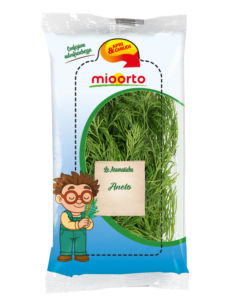
What is fresh-cut produce (Quarta gamma) and why more and more Italians are choosing it
Fresh-cut produce isn’t the same for everyone: seasons and territories influence consumption, in fairly intuitive ways.
The spring-summer period sees growing demand for salads and ready-to-eat fresh products, while autumn-winter are the seasons for cook-ready, more substantial solutions.
Geography matters too: higher consumption in the North, intermediate in the Center, and lower in the South, where fresh produce prevails.
The market therefore depends on lifestyles, culture, and territorial context.
Pre-washed and pre-cut vegetables: the service that transformed fruit and vegetables
But there’s more to the evolution of consumption: from the vantage point of an “expert” player like Mioorto, it emerges that fresh-cut produce responds to the same need that has made the deli counter central in retail outlets: offering convenience and time-saving to the consumer.
The similarities are clear: ready-to-useproduct, service built into the product, a response to the new and ever-faster lifestyles—but there’s also a substantial difference: the deli counter offers food that’s already prepared or cooked, while fresh-cut produce keeps the product fresh and natural, limiting itself to operations such as washing, cutting, and packaging.
Fresh-cut produce thus becomes a “deli counter of fresh food,” where value doesn’t come from kitchen transformation, but from the service applied to the agricultural product—providing an interesting model of how changing lifestyles and the response offered by process innovation are redefining the value of fresh produce in retail.
Ready-made salad all year round: how consumption changes between summer and winter
Fresh-cut produce is designed to be available all year round.
The promise to the consumer is clear: convenience, freshness, and quick usability, regardless of the time of year—but even in this segment, Mioorto’s attentive eye detects seasonality.
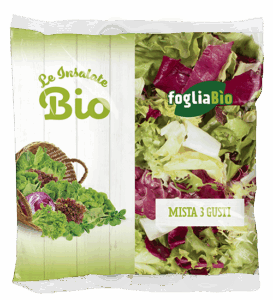
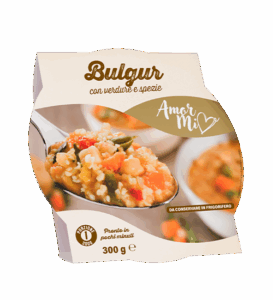
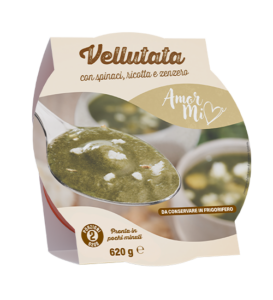
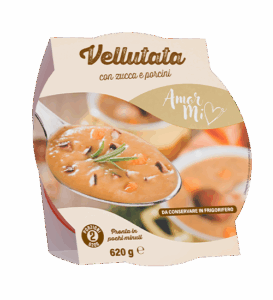
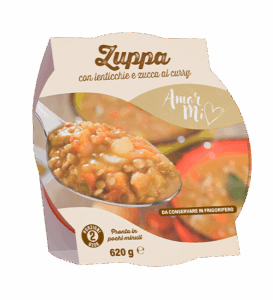
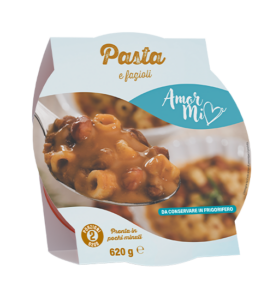
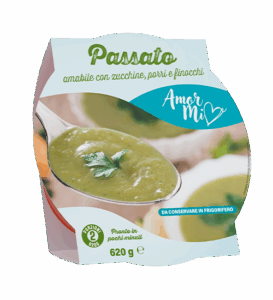
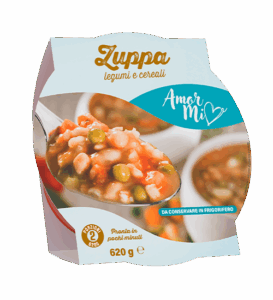
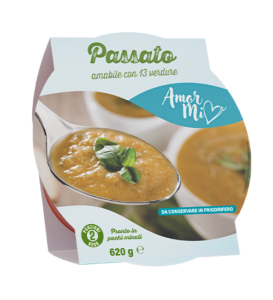
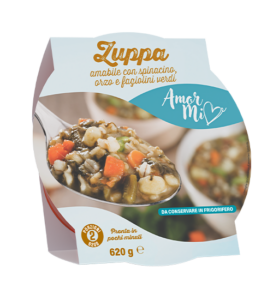
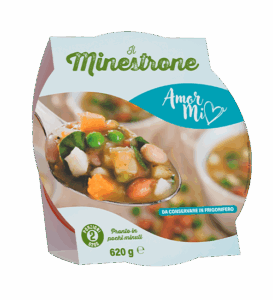
Demand for ready salads and fresh mixes is higher in spring and summer, thanks to warmer weather and the search for light, quick meals. In autumn and winter, the preference shifts toward home-cooking formats, such as ready-to-heat soups and minestrone.
A year-round product that nonetheless doesn’t escape the seasonality of eating habits: innovation and service prove to be in tune with the natural rhythms of food consumption.
Fresh and fresh-cut: competition or complementarity?
Many wonder whether fresh-cut produce competes with traditional fresh produce or represents a distinct category. In reality, it’s both.
While loose fresh produce offers more choice, more room for customization, and requires preparation, fresh-cut produce is the expression of maximum convenience and speed, with service already built into the product.
This is why the same consumer can choose between the two solutions when seeking freshness at the most convenient price, while the two products complement each other in daily practice: fresh produce for cooking or storing, fresh-cut for quick, ready meals.
They aren’t perfect alternatives, but different solutions that respond to different needs.
The challenge for retail is to intercept when the search for convenience prevails over the search for choice and customization.
For everyone, but for some in particular
Fresh-cut produce is often perceived as a product for everyone, but in reality it has a well-defined target.
Those who choose it can be linked to clusters such as young adults and families with dynamic lifestyles, consumers seeking convenience without giving up freshness, and urban customers, where supply is more widespread.
The strongest distinguishing point is that the fresh-cut consumer is someone willing to pay for the “ready-to-use” service, while the product finds less space among those who prefer to cook from scratch and remain “attached” to traditional purchases of loose fresh produce.
An "urban" and "northern" product
Fresh-cut produce is a category that enjoys greater success in urban areas and large cities, also linked to fast-paced lifestyles and to a specific purchasing venue: large-scale retail.
Other factors that determine its not-yet-universal diffusion are the still-established habit of buying loose produce, a lower propensity and openness to ready-made products, and a less massive presence of modern retail distribution.
A picture that describes the current state, but which opens up to prospects for development and opportunities for expansion.